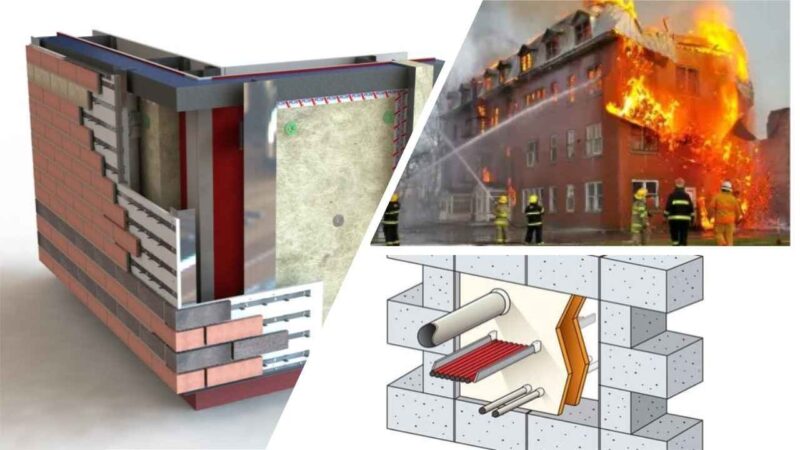
Fire resistance is one of the most important performance measures in structural design. It determines how long a building can remain stable during a fire, giving occupants time to escape and firefighters time to respond.
Steel, timber, and concrete behave very differently under heat. Understanding those differences helps designers choose the right system or combine materials in safer, more efficient ways.
How steel structures perform in fire

Steel is non combustible, so it does not add fuel to a fire. The main risk is that steel loses strength quickly as its temperature rises.
At around 400 to 600 degrees Celsius, steel begins to soften and its load capacity drops sharply. That means unprotected steel frames can deform or fail long before a fire is controlled.
Fire protection is therefore essential for most steel buildings. Common methods include spray applied fireproofing, fire rated boards or encasement, and intumescent paints that swell to insulate the surface.
These systems slow the temperature rise so steel stays strong for the required fire rating period. For complex projects, learn more about structural fire engineering to see how engineers model heat transfer and structural response to prove safety under realistic fire scenarios.
Steel can perform very well when protection is designed and installed correctly. However, detailing matters, because gaps in protection or damaged coatings can create weak points that heat faster than expected.
Fire resistance characteristics of timber
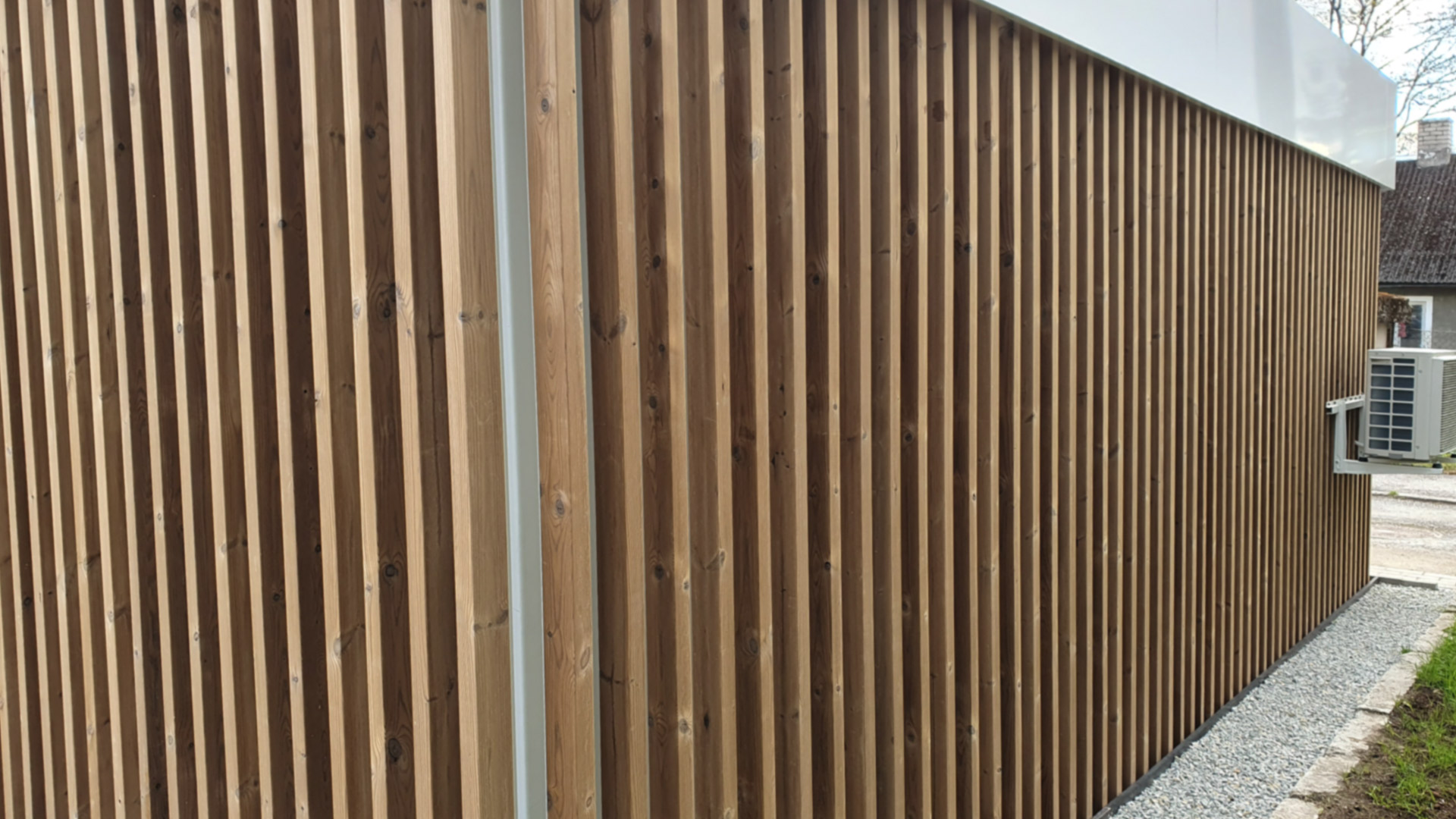
Timber is combustible, yet properly designed timber structures can still achieve high fire ratings. The reason is that timber chars at a predictable rate, forming a protective layer that slows further burning.
As the outer layer turns to char, it insulates the inner core, which can keep carrying load for a significant time. Designers use charring rates and sacrificial thickness to size members so that the remaining section stays stable during fire exposure.
Mass timber products like CLT and glulam are especially effective because they have large cross sections. Even though they burn on the surface, the internal strength can remain sufficient for evacuation and firefighting duration.
Surface treatments and encapsulation can further improve performance. Intumescent coatings and fire rated linings reduce flame spread and delay ignition, but they must be tested on the exact timber species and profile used in the building.
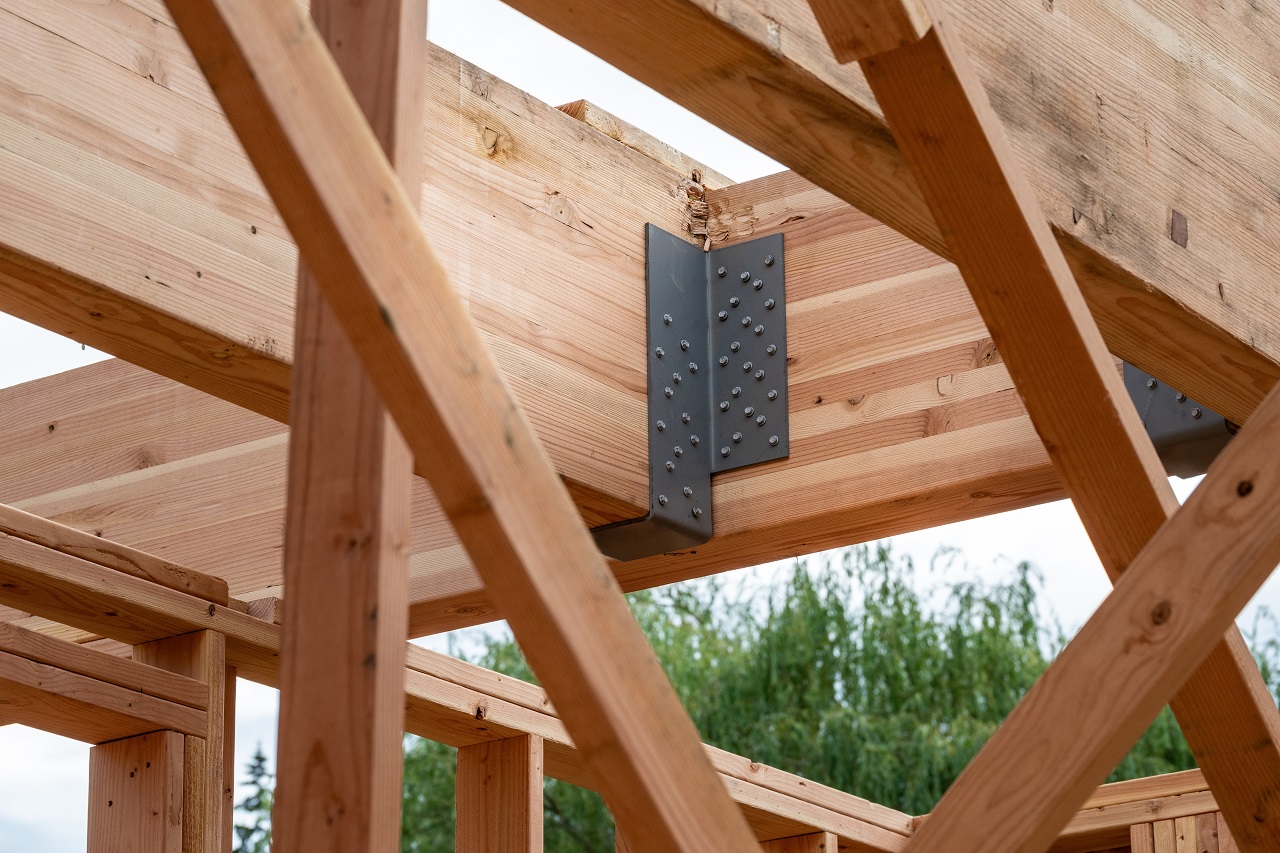
One limitation is connection design, since metal plates or bolts can heat faster and transfer heat into timber. Good detailing protects connections and avoids hidden voids where fire could spread unseen.
Concrete behavior under fire exposure
Concrete is non combustible and has high thermal mass, so it heats slowly. This usually gives it strong inherent fire resistance compared to steel or light timber systems.
In reinforced concrete, the concrete cover protects the steel rebar, keeping it cooler and preserving structural capacity. The thicker the cover, the longer the rebar stays below critical temperature.
Concrete does have specific risks in severe fires. Moisture inside concrete can turn to steam, causing spalling where surface layers burst off and expose reinforcement.
Spalling is more likely in high strength concrete, thin elements, or where rapid heating occurs. Designers reduce this risk through proper mix design, fibers, adequate cover, and sometimes protective finishes.
Even after a fire, concrete structures often remain standing, but they still require inspection for hidden cracking and loss of bond. Post fire assessment is critical before reoccupation or repair decisions are made.
Conclusion
Steel, timber, and concrete each offer distinct fire resistance advantages and challenges. Steel needs applied protection because strength drops quickly with heat, timber relies on predictable charring and careful detailing, and concrete benefits from slow heating but must be checked for spalling risk.
Choosing the right material system depends on building use, required fire rating, and practical construction goals. With sound design and verified protection methods, all three can deliver safe, code compliant performance during fire events.