Brazilian public prosecutors and public defenders have taken legal action against Pogust Goodhead and its Brazilian partner over contracts used to represent victims of the 2015 Mariana dam disaster.
The civil public action raises questions about legal fees, claimant protections, and contractual terms connected to the enormous group claim being pursued against mining company BHP through the English courts.
Authorities Challenge Representation Agreements

The Brazilian Federal Public Ministry joined public defenders in bringing proceedings against Pogust Goodhead and Brazilian firm Felipe Hotta Advocacia. The action reportedly argues that representation agreements signed with affected residents contain clauses considered abusive under Brazilian consumer law.
Officials have examined provisions concerning legal fees and the obligations imposed on clients seeking compensation through the London proceedings. A central concern is whether claimants received sufficient information to understand the financial consequences of their agreements.
Pogust Goodhead has rejected the accusations and described the Brazilian action as an attempt to interfere with the English litigation. The firm maintains that its contracts are lawful and necessary to finance an exceptionally complicated international case.
The proceedings do not determine whether BHP is responsible for the disaster. They concern the separate relationship between the law firms and the people they represent, including how potential compensation and legal fees may be handled.
Mariana Litigation Enters Compensation Phase

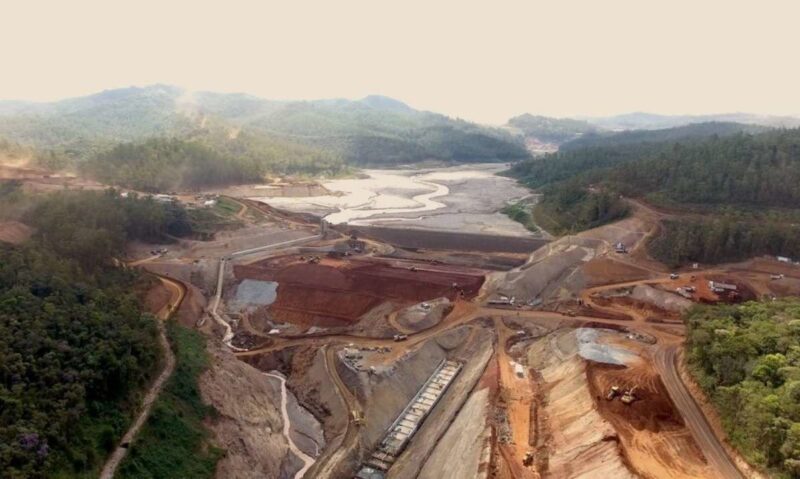
The Fundão dam collapsed near Mariana in November 2015, releasing millions of cubic metres of mining waste into surrounding communities and the Doce River. Nineteen people died, while homes, businesses, farmland, and local ecosystems suffered extensive damage.
Pogust Goodhead brought proceedings in England on behalf of more than 600,000 Brazilian claimants. In November 2025, the English High Court found BHP liable under Brazilian environmental law, allowing the case to proceed toward the assessment of damages.
The compensation phase must examine different categories of loss and determine how the disaster affected individuals, businesses, municipalities, religious organisations, and Indigenous communities. This work requires extensive evidence and may continue for several years.
International disputes firm Quinn Emanuel joined Pogust Goodhead as a strategic partner in 2026. Dedicated financing of up to $150 million was also announced to support preparation for the next stage of the BHP proceedings.
Governance Controversy Adds Further Pressure

The Brazilian legal action has developed while Pogust Goodhead is dealing with financial and leadership disruption. The internal dispute over spending allegations resulted in additional scrutiny of former chief executive Tom Goodhead and the firm’s use of commercial funding.
Media reports described allegations involving private aircraft, luxury hotels, helicopter travel, yacht gatherings, and corporate hospitality. Goodhead denies misconduct and maintains that the expenses supported legitimate international business and case preparation.
He has also stated that protected client funds were never used for personal expenditure. The allegations remain contested and have not been established as findings of misconduct by a court.
Pogust Goodhead’s current leadership says an independent board and stronger financial controls have been introduced. The firm also insists that outside funders do not determine case strategy or influence professional decisions affecting claimants.
For Mariana victims, the priority is receiving clear information about contractual obligations, legal fees, and the progress of their compensation claims. Disputes between authorities, lawyers, and funders should not prevent clients from understanding their rights.
Conclusion
The action brought by Brazilian prosecutors places Pogust Goodhead’s claimant agreements under formal examination. It also illustrates the challenges created when victims of a national disaster pursue compensation through courts in another country.
The outcome could influence how cross border group claims are structured and explained to clients. Pogust Goodhead must now defend its agreements while demonstrating that fees, funding arrangements, and legal decisions remain transparent and consistent with claimant interests.